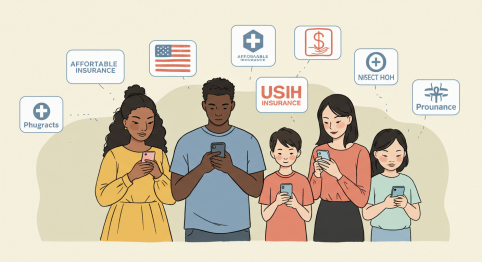
Finding a reliable and affordable health insurance provider in the U.S. can be overwhelming. In this 2025 guide, we’ve done the research to help you choose the best budget-friendly health insurance plan based on coverage, reputation, and price.
Finding affordable health insurance in the United States can be challenging, especially with rising healthcare costs and changing regulations. As we navigate through 2025, consumers are increasingly seeking budget-friendly options that don’t compromise on essential coverage. This comprehensive guide examines the top five most affordable health insurance providers in the U.S., helping you make an informed decision about your healthcare coverage.
Quick Summary: Best Overall: Blue Cross Blue Shield
Best for Families: Aetna
Cheapest Monthly Plan: Molina Healthcare
Understanding Affordable Health Insurance
Before diving into our top picks, it’s important to understand what makes health insurance truly affordable. Affordability isn’t just about low monthly premiums – it’s about finding the right balance between premiums, deductibles, copayments, and out-of-pocket maximums. The most affordable plan for you depends on your health status, frequency of medical visits, prescription needs, and financial situation.
When evaluating affordable health insurance options, consider these key factors:
Monthly Premiums: The amount you pay each month for coverage, regardless of whether you use medical services.
Deductibles: The amount you must pay out-of-pocket before your insurance begins covering costs.
Copayments and Coinsurance: Your share of costs for medical services after meeting your deductible.
Out-of-Pocket Maximum: The most you’ll pay in a year for covered services.
Network Coverage: The doctors, hospitals, and other healthcare providers included in your plan.
Top 5 Most Affordable Health Insurance Providers
1. Molina Healthcare
Molina Healthcare stands out as one of the most affordable health insurance providers in 2025, particularly for individuals and families with modest incomes. Founded in 1980, Molina has built its reputation on serving government-sponsored healthcare programs and offering competitive rates in the individual marketplace.
Why Molina Healthcare is Affordable:
Molina Healthcare’s affordability stems from its focus on serving lower-income populations and its extensive experience with Medicaid programs. The company leverages its expertise in managing costs while providing comprehensive care to offer some of the lowest premiums in many markets. Their business model emphasizes preventive care and care coordination, which helps keep overall healthcare costs down.
Coverage Areas and Availability:
Molina Healthcare operates in 18 states and Puerto Rico, with a strong presence in California, Texas, Florida, and several other states. The company primarily serves markets where there’s a significant need for affordable healthcare options, making it accessible to millions of Americans who might otherwise struggle to find coverage.
Plan Options:
Molina offers Bronze, Silver, and Gold plans through the Health Insurance Marketplace, with many Silver plans featuring low premiums and reasonable deductibles. Their plans typically include essential health benefits such as preventive care, prescription drug coverage, and mental health services. Many of their Silver plans are designed to work well with Advanced Premium Tax Credits, making them even more affordable for eligible individuals and families.
Network and Provider Access:
While Molina’s networks may be more limited than some larger insurers, they focus on building relationships with providers who serve their target demographics effectively. The company emphasizes primary care access and has invested in telemedicine options to improve convenience and reduce costs for members.
Customer Experience:
Molina Healthcare has made significant investments in customer service and digital tools. Their mobile app and online portal make it easy to find providers, check benefits, and manage claims. While their customer satisfaction scores vary by market, the company has shown consistent improvement in recent years.
2. Ambetter (Centene Corporation)
Ambetter, operated by Centene Corporation, has emerged as a major player in the affordable health insurance market since the implementation of the Affordable Care Act. The company has positioned itself as a provider focused on serving individuals and families purchasing coverage through Health Insurance Marketplaces.
Market Leadership in Affordability:
Ambetter has become synonymous with affordable marketplace coverage, often offering some of the lowest-priced plans in many states. The company’s strategy focuses on providing essential coverage at competitive rates while building comprehensive provider networks. Their success in keeping premiums low while maintaining quality care has made them a popular choice among cost-conscious consumers.
Extensive Geographic Coverage:
One of Ambetter’s significant advantages is its broad geographic footprint. The company operates in over 20 states, making it one of the most widely available affordable options for marketplace shoppers. This extensive coverage means that millions of Americans have access to Ambetter’s affordable plans, regardless of their location.
Comprehensive Plan Portfolio:
Ambetter offers plans across all metal tiers – Bronze, Silver, Gold, and in some markets, Platinum. Their Bronze plans are particularly popular among young, healthy individuals looking for catastrophic coverage, while their Silver plans often represent excellent value for families who qualify for cost-sharing reductions. The company also offers specialized plans designed for specific demographics and health needs.
Value-Added Benefits:
Despite their focus on affordability, Ambetter plans often include valuable extra benefits. Many plans feature wellness programs, telehealth services, and even fitness memberships. These additional benefits can provide substantial value beyond basic medical coverage, making the plans even more cost-effective for members who take advantage of these services.
Provider Networks and Access:
Ambetter has invested heavily in building robust provider networks that balance cost control with member access. While some plans may have narrower networks than traditional employer-sponsored insurance, the company has focused on ensuring members have access to quality primary care physicians, specialists, and hospitals in their service areas.
3. Kaiser Permanente
Kaiser Permanente represents a unique model in American healthcare – an integrated health system that serves as both insurer and healthcare provider. This integrated approach allows Kaiser to offer some of the most affordable and comprehensive coverage available, though it’s limited to specific geographic areas.
The Integrated Care Advantage:
Kaiser’s integrated model means that your insurance company and healthcare providers work for the same organization. This eliminates many of the inefficiencies and administrative costs that drive up healthcare expenses in traditional insurance models. The result is often lower premiums, reduced out-of-pocket costs, and better care coordination for members.
Geographic Availability:
Kaiser Permanente operates in eight states and the District of Columbia: California, Colorado, Georgia, Hawaii, Maryland, Oregon, Virginia, and Washington. While this limited geographic footprint means Kaiser isn’t available to all Americans, those living in Kaiser service areas often have access to some of the most affordable and highest-quality healthcare coverage available.
Comprehensive Care Model:
Kaiser’s approach to healthcare emphasizes prevention, early intervention, and coordinated care. This model not only improves health outcomes but also helps control costs by avoiding expensive emergency treatments and hospitalizations. Members typically have access to a wide range of services under one roof, including primary care, specialty care, pharmacy services, and often even laboratory and imaging services.
Technology and Innovation:
Kaiser Permanente has been a leader in healthcare technology and innovation. Their electronic health records system ensures that all of your healthcare providers have access to your complete medical history, reducing duplicate tests and improving care coordination. Their patient portal and mobile app provide easy access to test results, appointment scheduling, and communication with healthcare providers.
Cost Transparency:
One of Kaiser’s significant advantages is cost transparency. Because they control both the insurance and provider sides of healthcare, they can offer more predictable costs and fewer surprise bills. Members typically know exactly what they’ll pay for services, making it easier to budget for healthcare expenses.
4. Blue Cross Blue Shield (Select Markets)
Blue Cross Blue Shield (BCBS) is a federation of independent insurance companies that collectively provide coverage to more Americans than any other health insurer. While BCBS plans vary significantly by state and local market, several BCBS companies offer highly competitive and affordable options, particularly in certain markets.
Market-Specific Affordability:
The affordability of BCBS plans varies significantly by market, with some local BCBS companies offering extremely competitive rates while others may be more expensive. In markets where BCBS faces strong competition or has a particular focus on affordability, their plans can represent excellent value. States like North Carolina, Alabama, and several others have BCBS companies that consistently offer affordable marketplace options.
Broad Network Access:
One of BCBS’s greatest strengths is the breadth of their provider networks. Most BCBS plans offer access to large networks of doctors, hospitals, and other healthcare providers. This extensive network access can provide significant value, especially for individuals who want flexibility in choosing their healthcare providers or who live in areas with limited provider options.
Plan Variety and Flexibility:
BCBS companies typically offer a wide range of plan options across all metal tiers. This variety allows consumers to find plans that match their specific needs and budgets. Many BCBS companies also offer Health Savings Account (HSA) compatible high-deductible plans, which can be particularly affordable for healthy individuals and families.
Established Provider Relationships:
BCBS companies have long-standing relationships with healthcare providers across the country. These established relationships often translate into better negotiated rates and more seamless care experiences for members. Providers are familiar with BCBS processes and requirements, which can lead to fewer billing issues and administrative hassles.
Digital Tools and Resources:
Most BCBS companies have invested heavily in digital tools and resources for their members. Mobile apps, online portals, and telehealth options are standard features that can help members manage their healthcare more efficiently and cost-effectively.
5. Oscar Health
Oscar Health represents a new generation of health insurance companies, leveraging technology and innovative approaches to make health insurance more affordable and user-friendly. Founded in 2012, Oscar has quickly gained recognition for its consumer-centric approach and competitive pricing in many markets.
Technology-Driven Affordability:
Oscar’s approach to affordability is built around leveraging technology to reduce administrative costs and improve efficiency. Their platform uses data analytics and artificial intelligence to help members find the most cost-effective care options and to identify potential health issues before they become expensive problems.
Simplified Healthcare Experience:
Oscar has focused on simplifying the healthcare experience for members, which can lead to significant cost savings. Their platform makes it easy to find in-network providers, understand coverage details, and estimate costs for medical procedures. This transparency helps members make more cost-effective healthcare decisions.
Telemedicine Integration:
Oscar has been a pioneer in integrating telemedicine services into their health plans. Many Oscar plans include free or low-cost virtual consultations, which can be a cost-effective alternative to traditional office visits for many health concerns. This focus on telemedicine became particularly valuable during the COVID-19 pandemic and continues to provide cost savings for members.
Growing Market Presence:
While Oscar started in New York, the company has expanded to serve multiple markets across the United States. Their growth strategy focuses on markets where they can offer competitive rates and build effective provider networks. As Oscar continues to expand, more Americans gain access to their innovative and often affordable coverage options.
Wellness and Prevention Focus:
Oscar places a strong emphasis on wellness and prevention, offering members various tools and incentives to maintain their health. These programs can lead to long-term cost savings by helping members avoid expensive medical treatments through early intervention and healthy lifestyle choices.
Factors to Consider When Choosing Affordable Health Insurance
Income and Subsidy Eligibility
Your income level significantly impacts which health insurance options will be most affordable for you. If your income falls between 100% and 400% of the Federal Poverty Level, you may be eligible for Advanced Premium Tax Credits that can substantially reduce your monthly premiums. Additionally, if your income is between 100% and 250% of the Federal Poverty Level, you may qualify for Cost-Sharing Reductions that lower your deductibles and out-of-pocket costs.
Health Status and Medical Needs
Your current health status and anticipated medical needs should play a crucial role in your insurance decision. If you’re generally healthy and rarely visit the doctor, a high-deductible Bronze plan might be most cost-effective. However, if you have chronic conditions or take expensive medications, a plan with higher premiums but lower deductibles and better prescription coverage might be more affordable in the long run.
Geographic Location
Health insurance costs and available options vary significantly by geographic location. Urban areas typically have more insurer options and competitive pricing, while rural areas may have limited choices and higher costs. Some insurers excel in certain regions but may not be available or competitive in others.
Provider Preferences
If you have established relationships with specific doctors or prefer certain hospitals, you’ll need to ensure they’re included in your chosen plan’s network. Going out-of-network can significantly increase your costs, potentially making an otherwise affordable plan expensive to use.
Strategies for Maximizing Affordability
Shopping During Open Enrollment
The annual Open Enrollment Period is typically the only time you can purchase or change marketplace health insurance plans. During this period, it’s essential to compare all available options, as insurers frequently adjust their offerings and pricing. What was the most affordable option last year may not be the best choice for the current year.
Understanding Metal Tiers
Health insurance plans are categorized into metal tiers based on how much of your healthcare costs they cover on average. Bronze plans have the lowest premiums but highest out-of-pocket costs, while Platinum plans have the highest premiums but lowest out-of-pocket costs. The most affordable option for you depends on your expected healthcare usage and financial situation.
Utilizing Preventive Care
All marketplace health plans are required to cover preventive care services at no cost to you. Taking advantage of these services – including annual check-ups, screenings, and immunizations – can help prevent expensive health problems and keep your overall healthcare costs low.
Prescription Drug Considerations
If you take regular medications, carefully review each plan’s prescription drug formulary (list of covered medications) and associated costs. Some plans may have low premiums but expensive prescription coverage, making them less affordable for individuals with ongoing medication needs.
The Future of Affordable Health Insurance
The landscape of affordable health insurance continues to evolve, with several trends likely to impact options and pricing in the coming years:
Increased Competition
As more insurers enter the marketplace and existing insurers expand their geographic footprints, increased competition is likely to continue driving down prices and improving plan offerings for consumers.
Technology Integration
Insurers are increasingly leveraging technology to reduce costs and improve member experiences. From telemedicine to AI-powered care coordination, these innovations are making healthcare more efficient and potentially more affordable.
Value-Based Care Models
The shift toward value-based care, where providers are rewarded for keeping patients healthy rather than providing more services, is likely to continue driving down healthcare costs over time.
Government Policy Changes
Changes in government policy, including potential modifications to the Affordable Care Act or the introduction of new healthcare initiatives, could significantly impact the affordable health insurance landscape.
Making Your Decision
Choosing the most affordable health insurance provider requires careful consideration of your individual circumstances, including your health status, financial situation, geographic location, and healthcare preferences. While the five providers highlighted in this guide represent some of the most affordable options available, the best choice for you will depend on your specific needs and priorities.
Remember that the cheapest plan isn’t always the most affordable in the long run. Consider total annual costs, including premiums, deductibles, and expected out-of-pocket expenses, when making your decision. Additionally, don’t forget to factor in the value of network access, customer service quality, and additional benefits when evaluating your options.
Conclusion
Access to affordable health insurance remains a critical concern for millions of Americans. The five providers discussed in this guide – Molina Healthcare, Ambetter, Kaiser Permanente, Blue Cross Blue Shield, and Oscar Health – represent some of the best options for cost-conscious consumers seeking quality healthcare coverage.
Each of these providers offers unique advantages and approaches to affordability. Molina Healthcare excels in serving lower-income populations with competitive marketplace plans. Ambetter has built a reputation for offering some of the lowest premiums available while maintaining reasonable network access. Kaiser Permanente’s integrated model provides exceptional value in the markets where it’s available. Blue Cross Blue Shield offers broad network access and established provider relationships in many markets. Oscar Health leverages technology and innovation to create user-friendly, affordable coverage options.
As you evaluate your health insurance options, remember that affordability is about more than just monthly premiums. Consider your total expected healthcare costs, including deductibles, copayments, and prescription medications. Take advantage of available subsidies and tax credits if you’re eligible, and don’t hesitate to seek assistance from healthcare navigators or insurance brokers who can help you understand your options.
The health insurance landscape continues to evolve, with new options and opportunities for affordable coverage emerging regularly. By staying informed about your options and carefully evaluating your needs, you can find health insurance coverage that provides both financial protection and access to quality healthcare.
Whether you choose one of the providers highlighted in this guide or explore other options available in your area, the key is to find coverage that fits your budget while providing the protection and access you need. With careful research and consideration, affordable health insurance is within reach for most Americans, providing peace of mind and access to essential healthcare services.
Affordable health coverage is more accessible than ever in 2025. Whether you’re single, starting a family, or retiring, there’s a provider that fits your needs and budget. → Take your time to compare and get quotes from at least two providers before making a decision.
Hi, I’m Hibiki — the writer behind HealthManual.net.
I cover health insurance news, wellness tips, and insightful analysis of pharmaceutical and healthcare stocks. My goal is to simplify complex topics and make health and finance information more accessible to everyone.
Thanks for reading — I hope you find the content helpful and reliable.